Common Challenges Faced in Packaging And How Polymer Foams Solve Them
Packaging plays a vital role in protecting products, enhancing customer experience and ensuring smooth logistics but it’s not without hurdles. From product damage during transit to sustainability concerns and rising material costs, businesses today are seeking smarter, more resilient solutions. Fortunately, polymer foam in packaging is emerging as a highly effective answer to many of these issues.
The global polymer foam market is projected to grow from USD 116.55 billion in 2025 to USD 167.41 billion by 2032, at a CAGR of 5.3% as per Coherent Market Insights. This clearly indicates that polymer foams are being increasingly adopted across industries, including e-commerce, electronics, automotive and pharmaceuticals, for their superior performance and adaptability.
Let’s explore some of the most common packaging challenges and solutions and how polymer foams are transforming the packaging landscape.
Table of Contents
- 01. Challenge 1: Product Damage During Shipping
- 02. Challenge 2: Excessive Packaging Weight and Shipping Costs
- 03. Challenge 3: Limited Customisation and Poor Fit
- 04. Challenge 4: Environmental Impact and Sustainability Concerns
- 05. Challenge 5: Rising Packaging Costs
- 06. Conclusion: Smarter Packaging Starts with Smarter Materials
- 07. FAQs
1. Challenge: Product Damage During Shipping
One of the most critical issues for businesses is damage during storage or transportation. Fragile or sensitive items often break, leading to returns, losses and dissatisfied customers.
Solution: Polymer Foam as Protective Packaging Material
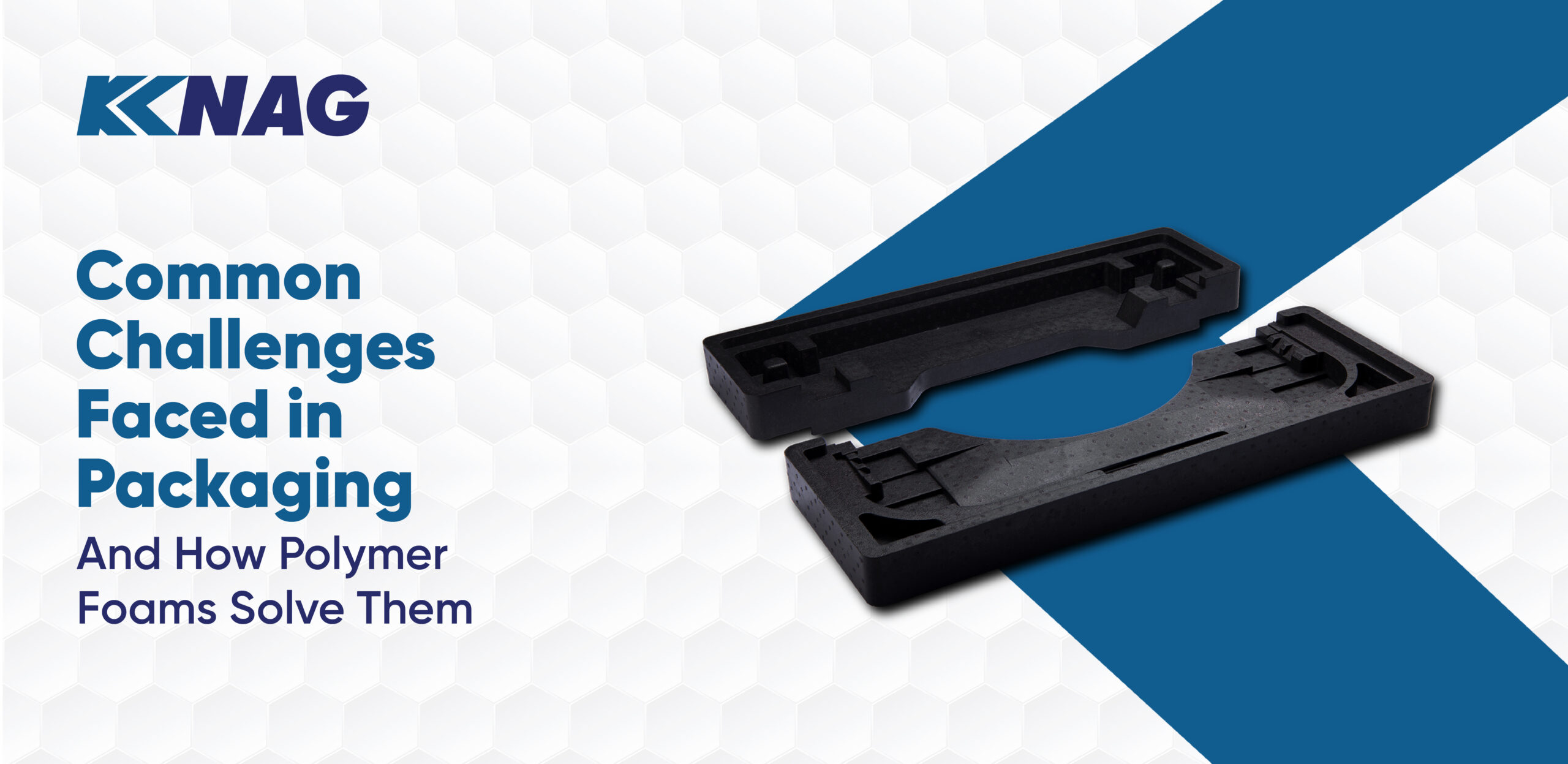
Polymer foam in packaging, such as EPP (Expanded Polypropylene), EPS (Expanded Polystyrene) and PU (Polyurethane), offers excellent shock absorption. These protective packaging materials cushion impact and vibration, ensuring items stay intact from the factory to the end-user.
Foam packaging benefits:
- Superior cushioning and resilience
- Custom-fit designs for better coverage
- High load-bearing capacity for heavier items
2. Challenge: Excessive Packaging Weight and Shipping Costs
Heavy packaging can significantly increase shipping costs, especially in high-volume logistics and e-commerce.
Solution: Lightweight Packaging Materials
Polymer foams are exceptionally lightweight without compromising strength. They reduce the overall weight of the package, cutting fuel consumption and delivery expenses, making them ideal lightweight packaging materials for global supply chains.
Key advantages:
- Reduced freight and handling costs
- Improved fuel efficiency during transport
- Easier handling during storage and transit
3. Challenge: Limited Customisation and Poor Fit
Inadequate or non-customisable packaging can lead to poor product fit, inefficient space usage and increased breakage.
Solution: Customisable Foam Inserts
Polymer foams can be precisely moulded or die-cut to fit specific product shapes. This allows companies to design protective packaging materials that perfectly secure items, enhance the unboxing experience and reduce waste.
Foam packaging benefits:
- Tailor-made solutions for every product
- Space optimisation within boxes or crates
- Enhanced visual presentation for premium branding
4. Challenge: Environmental Impact and Sustainability Concerns
Many traditional packaging materials are either non-recyclable or extremely difficult to recycle, like Polyurethane (PU) and Expanded Polyethylene (EPE), drawing criticism from eco-conscious consumers.
Solution: Eco-Friendly Packaging Foam
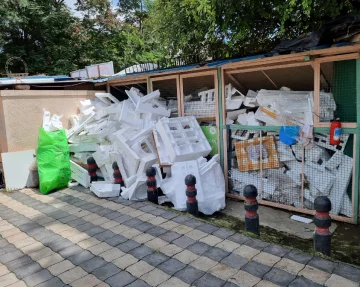
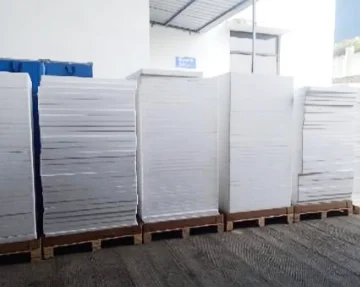
Modern manufacturers now produce eco-friendly packaging foam, including recycled EPS through zero-pollution mechanical recycling and reusable EPP solutions. These approaches support circular economy practices.
At K. K. Nag, for example, we use a zero-pollution mechanical recycling process that transforms used EPS foam into high-quality reusable EPS, without the use of heat or chemicals.
Sustainability benefits:
- 100% recyclable materials
- Supports multiple reuse cycles
5. Challenge: Rising Packaging Costs
Rising raw material and logistics expenses make it essential for businesses to explore alternatives that balance durability with performance.
Solution: Long-Lasting, Reusable Foam Packaging
Polymer foams maintain their protective qualities over repeated use, ensuring consistent protection for products in demanding supply chains.
Value advantages:
- Reusability across multiple cycles
- Lower spend per shipment over time
- Reduced need for frequent packaging replacement
Conclusion: Smarter Packaging Starts with Smarter Materials
Polymer foams have moved far beyond simple cushioning. Their blend of low weight, high resilience, precision mouldability and recyclability makes them a single material class that answers five of today’s most pressing packaging problems: breakage, freight weight, poor fit, sustainability pressure and rising spend.
Choosing the right foam — EPS for impact control and EPP for multi-use packaging — allows manufacturers to reduce damage-related returns, shrink transport emissions and extend packaging life-cycles without adding complexity to the line. At K. K. Nag, these solutions are further strengthened through in-house recycling processes that give packaging a second life, aligning protection with sustainability.
The upshot is clear: organisations that treat packaging as a strategic lever and adopt advanced polymer foams early will ship lighter, safer and greener, while staying prepared for regulatory and consumer scrutiny on waste.
FAQs
1. Why are polymer foams preferred in packaging applications?
Ans: Polymer foams are favoured for their superior cushioning, lightweight nature and customisability. They absorb shock, reduce damage during transit and lower shipping costs, making them ideal protective packaging materials across all industries.
2. Are polymer foams eco-friendly?
Ans: Yes, many polymer foams in packaging solutions like EPP and EPS are 100% recyclable. At K. K. Nag, for example, we use a mechanical recycling process with no heat or chemicals to convert waste EPS into blocks and sheets.
3. How do foam packaging materials reduce overall costs?
Ans: Foam packaging benefits include reusability, reduced breakage and lower transportation weight. Over time, these factors contribute to significant savings in logistics, damage claims and packaging replacement costs.
4. Can foam packaging be customised for specific products?
Ans: Absolutely. Polymer foam in packaging can be die-cut or moulded to match product dimensions, offering a snug fit, optimised space use and improved unboxing experiences, ideal for both industrial goods and high-end consumer products.
Featured Blogs
How K. K. Nag Is Leading the Way in Polymer Solutions for EV Manufacturing
The automotive industry is at a pivotal moment. As the world shifts gears towards sustainable transport, electric vehicles (EVs) are becoming central to this transformation. In India, retail [...]
Why Polymer Components are Crucial in EV Manufacturing
The rise of electric vehicles has done more than just redefine the powertrain, it’s revolutionised the way manufacturers approach material selection and product design. Today, polymer components in [...]

Rotomoulded Insulated Boxes: The Key to Safe and Hygienic Food Handling
Despite stringent rules and regulations, the food industry is plagued with serious contamination and spoilage issues. Foodborne illness impacts approximately 100 million individuals each year in India [...]
Get in Touch with Us
We look forward to connecting with you!