How EPS Packaging Safeguards Agricultural Produce During Transit
Ensuring fresh fruits and vegetables arrive in prime condition is a complex challenge that demands reliable packaging solutions. Expanded Polystyrene or EPS packaging for agriculture stands out as a proven approach combining strength, insulation and sustainability. For over 60 years, we, at K. K. Nag, have led this field with our expertly designed Thermocole boxes and customised solutions that have helped shape agricultural exports in India.
The Grape Box Story: A Pioneering Solution
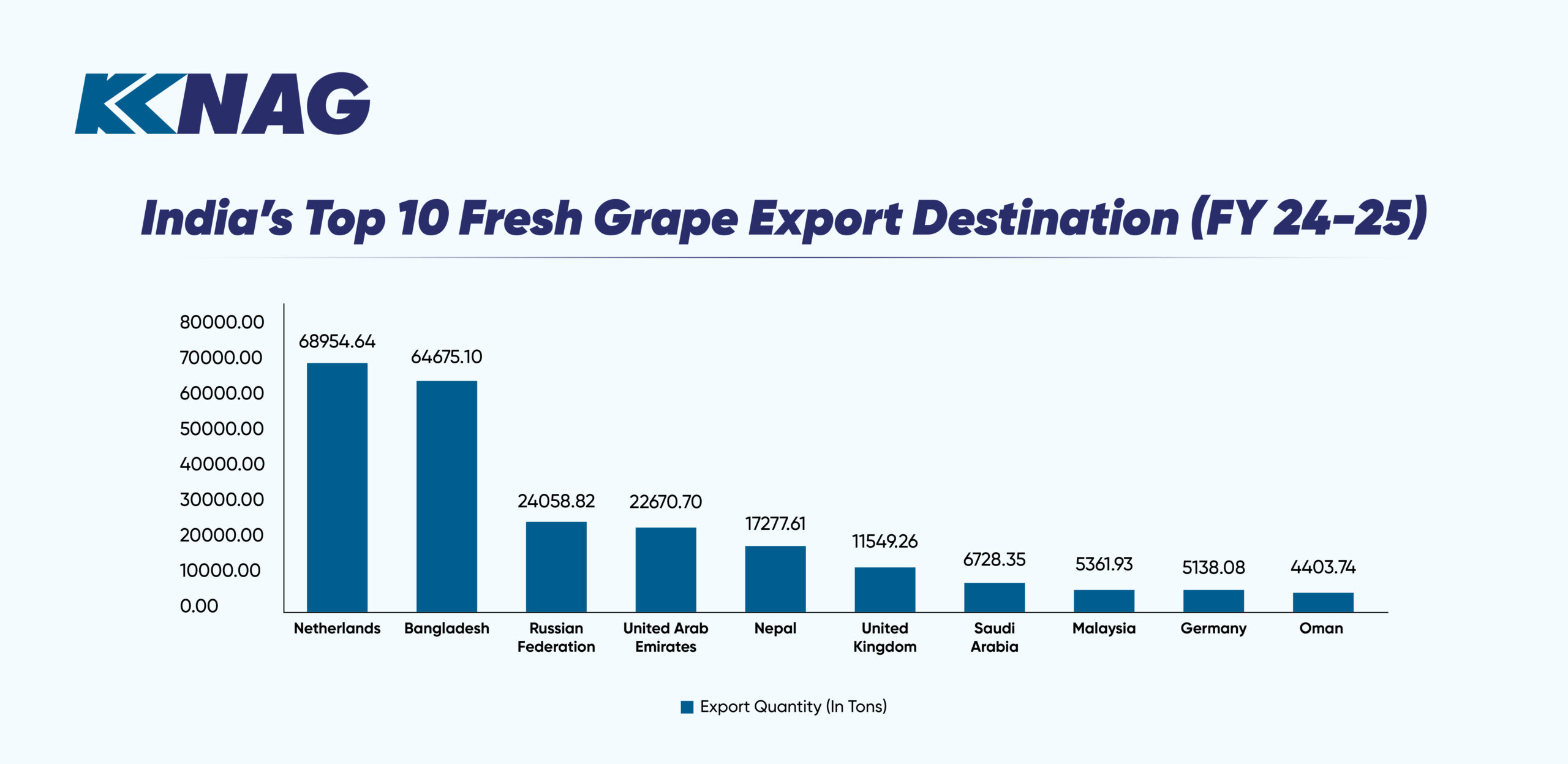
India exports significant volumes of table grapes to the Middle East and Europe. Corrugated cartons often struggled to protect fruit through long multi-leg journeys, leading to bruising, inconsistent pulp temperatures and shelf presentation issues.
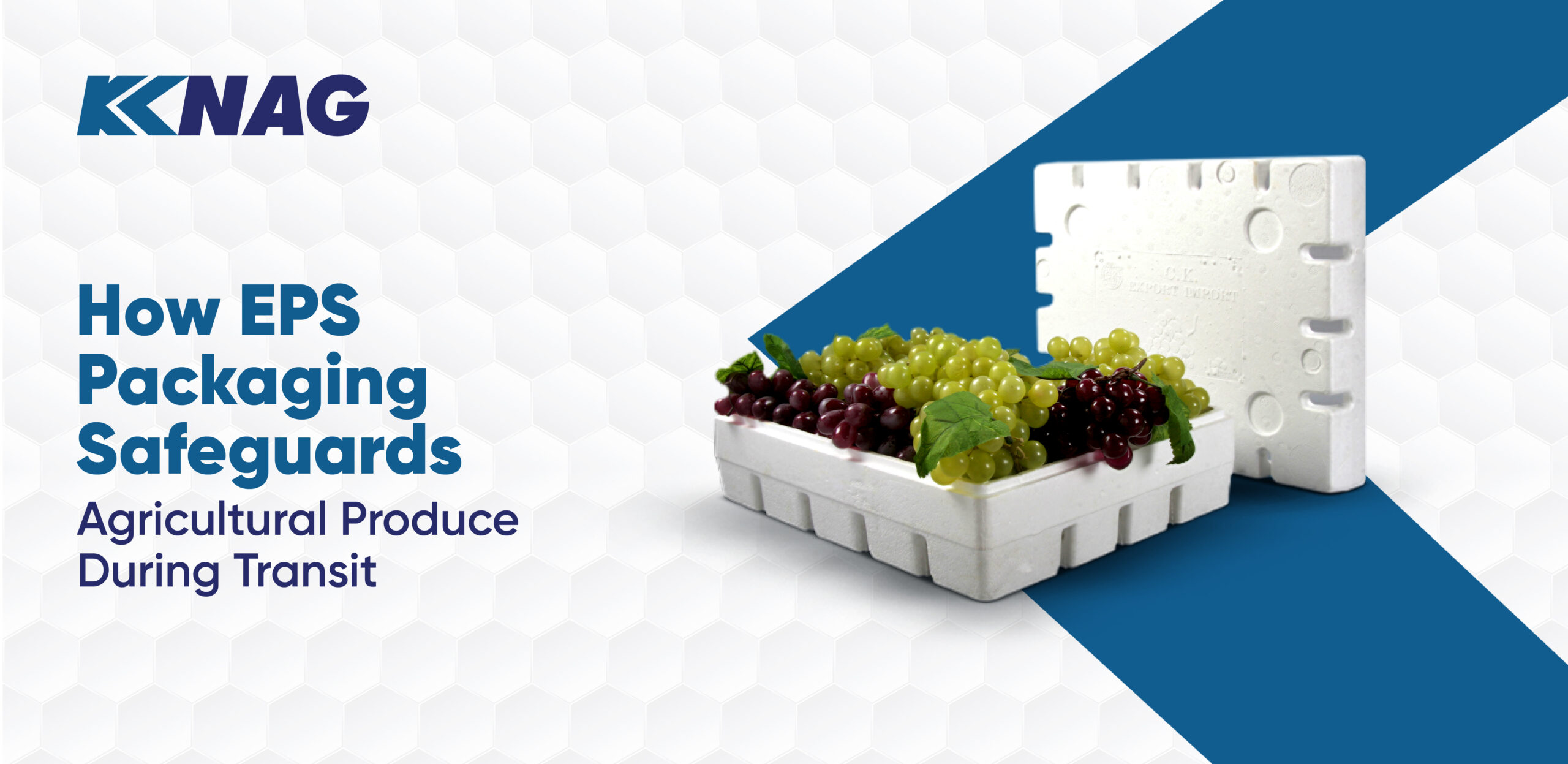
In 2002, K. K. Nag designed a custom EPS grape box that combined insulation and smooth internal surfaces to limit scuffing.
The box incorporated venting features and an undercut locking arrangement between the lid and base that kept the box securely closed during handling and transport, even under vibration. The complete design was validated with farms, exporters and research bodies before scale-up.
Market trials during Ramadan consignments to Gulf markets showed lower damage claims, steadier pulp temperatures and improved arrival appearance. The EPS grape box has since become a reference format for Indian grape exports as it helps fruit travel further with greater consistency.
Key Characteristics of EPS Packaging
EPS packaging resonates strongly within agriculture due to its perfectly balanced, critical capabilities:
- Very low density, approximately 98% air
- Low thermal conductivity that moderates temperature change
- Closed cell structure with inherent energy absorption under impact and vibration
- Moisture resistance that helps maintain product integrity during transit
- Strength-to-weight ratio that supports safe stacking
- Inherent compliance with food-contact safety standards
Common Problems Faced During the Transit of Agricultural Produce
Long-distance transport of fruits and vegetables is fraught with challenges:
- Fluctuating temperatures hasten spoilage
- Mechanical shocks bruise delicate produce
- Moisture ingress can foster bacterial growth, putting safety at risk
Traditional cartons often cannot protect against these demanding conditions, leading to wasted inventory and lost revenue.
How EPS Packaging Solves These Challenges
Foam packaging for agri exports, such as EPS, provides:
- Insulation that stabilises temperature during long journeys
- Cushioning properties that reduce mechanical damage and bruising
- A closed-cell structure that resists moisture, ensuring hygiene
The success of our Thermocole box, particularly in the grape export sector highlights the effectiveness and customer confidence in this technology.
EPS Packaging vs. Traditional Packaging Materials
When compared with conventional packaging materials such as cardboard and moulded pulp, EPS offers several compelling advantages:
- Greater insulating performance helps maintain product freshness longer
- Resistance to moisture makes it superior to cardboard, which is prone to sogginess and microbial growth
- The ultra-lightweight nature of EPS leads to reduced shipment weights and energy use
- Robustness and stackability facilitate efficient warehouse storage and transit logistics
Recyclability of EPS
Sustainability is a non-negotiable factor in today’s agricultural packaging decisions. Fortunately, EPS packaging scores well here too:
- EPS is 100% recyclable and the industry is steadily expanding recycling programmes across multiple countries
- We lead by example, having diverted over 800 tonnes of thermocol waste away from Indian landfills through systematic recycling practices
- Additionally, the lower transport weight of EPS reduces carbon emissions, bolstering supply chain sustainability efforts
Best Practices for Using EPS in Agri Supply Chains
Maximising the benefits of cold chain packaging for fruits and vegetables involves:
- Customising packaging sizes and shapes to secure specific produce tightly and prevent shift-related damage
- Maintaining the cold chain rigorously to leverage insulation benefits for heat-sensitive commodities
- Partnering with experienced expanded polystyrene manufacturers like K. K. Nag who ensure operational excellence through just-in-time supplies and customer education programmes
Role of EPS in Farm-to-Table Supply Chains
EPS packaging plays a vital role beyond transit, adding value throughout the farm-to-table journey. Its ability to reduce food loss and enable exports to remote markets has been instrumental in advancing India’s agricultural export economy. Backed by decades of expertise, we continue to refine EPS applications that enhance efficiency and maintain quality across fresh produce supply chains.
As demand for reliable packaging grows, EPS remains one of the most trusted choices for agricultural transport. Combining protection, insulation and recyclability, it supports consistent performance from harvest to delivery and reinforces long-term value for producers and exporters alike.
FAQs
1. Is EPS packaging safe for fruits and vegetables?
Ans: Absolutely. The closed-cell structure of EPS packaging prevents moisture and bacterial contamination, making it ideal for food contact.
2. How long does EPS keep produce fresh?
Ans: Maintaining optimal temperatures and cushioning during transit, EPS packaging is able to extend produce freshness by weeks or months, depending on the commodity and conditions.
3. Is EPS packaging recyclable in India?
Ans: Yes. At K. K. Nag, we run our RecyCole programme that channels EPS waste away from landfills and open burning. This initiative has already diverted more than 800 tonnes of thermocol waste and achieved an estimated 6,400 tonnes of greenhouse gas reduction. The process is fully mechanical, involving no heat or chemicals, ensuring zero pollution. Learn more here: RecyCole.
4. What are the alternatives to EPS for agricultural packaging?
Ans: Alternatives include corrugated packaging for longer distances and starch alternatives for short-distance use.
Featured Blogs

How K. K. Nag Is Leading the Way in Polymer Solutions for EV Manufacturing
The automotive industry is at a pivotal moment. As the world shifts gears towards sustainable transport, electric vehicles (EVs) are becoming central to this transformation. In India, retail [...]

Why Polymer Components are Crucial in EV Manufacturing
The rise of electric vehicles has done more than just redefine the powertrain, it’s revolutionised the way manufacturers approach material selection and product design. Today, polymer components in [...]
Rotomoulded Insulated Boxes: The Key to Safe and Hygienic Food Handling
Despite stringent rules and regulations, the food industry is plagued with serious contamination and spoilage issues. Foodborne illness impacts approximately 100 million individuals each year in India [...]
Get in Touch with Us
We look forward to connecting with you!